


TPS Terminations in 2026: Complete Guide to Which Countries Are Affected and Your Legal Options
Last Updated: March 2026
In 2026, the U.S. government is systematically terminating Temporary Protected Status (TPS) designations for multiple countries. With Somalia’s TPS set to end on March 17, 2026, and the termination of Yemen’s TPS announced in February, hundreds of thousands of immigrants across the United States are facing an uncertain future.
At the same time, federal courts are weighing in on several TPS decisions. In February 2026, the Ninth Circuit Court of Appeals allowed the government to move forward with terminating TPS for Honduras, Nepal, and Nicaragua, affecting tens of thousands of people who had relied on this protection for decades.
For many families, TPS has provided the ability to live and work legally in the United States for years. When that protection ends, individuals must quickly evaluate their legal options.
This guide from Law Group International explains:
- What Temporary Protected Status (TPS) is
- Which countries currently have TPS protections and which are ending
- What happens when TPS expires
- Legal options that may help you remain in the United States
If you currently hold TPS, understanding these changes is essential to protecting your immigration status.
What is Temporary Protected Status (TPS)?
Temporary Protected Status, commonly known as TPS, is a humanitarian immigration program created by Congress in 1990.
TPS allows nationals from certain countries experiencing armed conflict, natural disasters, or extraordinary conditions to remain temporarily in the United States without fear of deportation. It also allows them to apply for work authorization while the designation remains in place.
To qualify for TPS, applicants must typically meet several requirements:
- Be a national of a country designated for TPS
- Have continuous physical presence in the United States since a specific date
- Meet continuous residence requirements
- Pass security and background checks
- Apply during the designated registration period
TPS is different from asylum in several key ways.
Asylum is a permanent protection available to individuals who fear persecution in their home country based on race, religion, political opinion, nationality, or membership in a particular social group.
TPS, by contrast, is temporary. It does not automatically lead to permanent residence or citizenship.
However, many TPS holders have lived in the United States for decades, built families, and developed deep ties to their communities. For these individuals, the termination of TPS can create significant legal uncertainty.
TPS in 2026: Complete Country-by-Country Status
TPS policy in 2026 is changing rapidly due to government policy decisions and ongoing court litigation.
Below is a simplified overview of the current status of major TPS countries.
| Country | Current Status | Key Date | Court Ruling | What to Do |
| Somalia | TPS ending | March 17, 2026 | No major court block | Explore alternative status immediately |
| Yemen | Termination announced | Feb 13, 2026 notice | None yet | Consult attorney about options |
| Haiti | Termination challenged | Feb 2026 litigation | Court has temporarily stayed removal | Monitor court developments |
| Venezuela | Ongoing complex litigation | Multiple pending cases | Courts reviewing termination issues | Stay updated with legal counsel |
| Honduras | TPS termination reinstated | Feb 9, 2026 ruling | Ninth Circuit allowed termination | Seek legal options immediately |
| Nicaragua | TPS termination reinstated | Feb 9, 2026 ruling | Ninth Circuit allowed termination | Consult immigration attorney |
| Nepal | TPS termination reinstated | Feb 9, 2026 ruling | Ninth Circuit allowed termination | Evaluate alternative status |
| South Sudan | TPS currently stayed | Ongoing litigation | Court involvement | Monitor updates |
| Syria | TPS protections stayed | Ongoing litigation | Court protections remain | Maintain TPS registration |
| El Salvador | TPS valid | Through Sept 2026 | No current termination | Maintain TPS and work authorization |
| Sudan | TPS valid | Through Oct 2026 | No current termination | Monitor future redesignation |
| Ukraine | TPS valid | Through Oct 2026 | No termination announced | Continue renewal when eligible |
For Honduras, Nicaragua, and Nepal, the Ninth Circuit ruling in February 2026 reinstated the government’s termination decision while appeals continue, meaning TPS protections and related work permits are currently no longer valid based solely on TPS status.
Because these cases are still being litigated, the situation may change quickly. TPS holders should regularly monitor official updates from USCIS and consult an immigration attorney.
What Happens If You Lose TPS Protection?
When TPS ends, many immigrants face a difficult legal situation.
First, TPS holders lose protection from deportation once the designation expires. Work authorization associated with TPS also ends.
In many cases, individuals return to their prior immigration status, if they had one. For example:
- If someone previously held a valid visa status, they may revert to that status.
- If no previous lawful status existed, the person may become removable under U.S. immigration law.
This does not mean deportation happens immediately. However, the risk of enforcement actions increases.
Some important things not to do if TPS is ending:
- Do not ignore expiration notices
- Do not assume your work authorization continues
- Do not travel outside the United States without legal advice
Traveling internationally after TPS expires can make it difficult, or impossible, to return.
Most importantly, do not wait until TPS expires to explore legal options. Early planning can make a major difference.
Legal Options If Your TPS Is Ending
Even if TPS is terminated, some immigrants may still qualify for other forms of immigration relief.
An experienced immigration attorney can evaluate your situation and determine whether any of the following options may apply.
Adjustment of Status
Some TPS holders may qualify to apply for lawful permanent residence (a green card) if they have:
- A qualifying family relationship with a U.S. citizen
- An approved employment-based petition
- A lawful entry or eligibility under specific legal rulings
Asylum
If returning to your home country would place you at risk of persecution, you may qualify for asylum or withholding of removal.
Cancellation of Removal
Some long-term residents may qualify for cancellation of removal if they meet strict requirements regarding:
- Continuous presence in the U.S.
- Good moral character
- Hardship to U.S. citizen or permanent resident relatives
Humanitarian Visas
Certain victims of crime or abuse may qualify for protections such as:
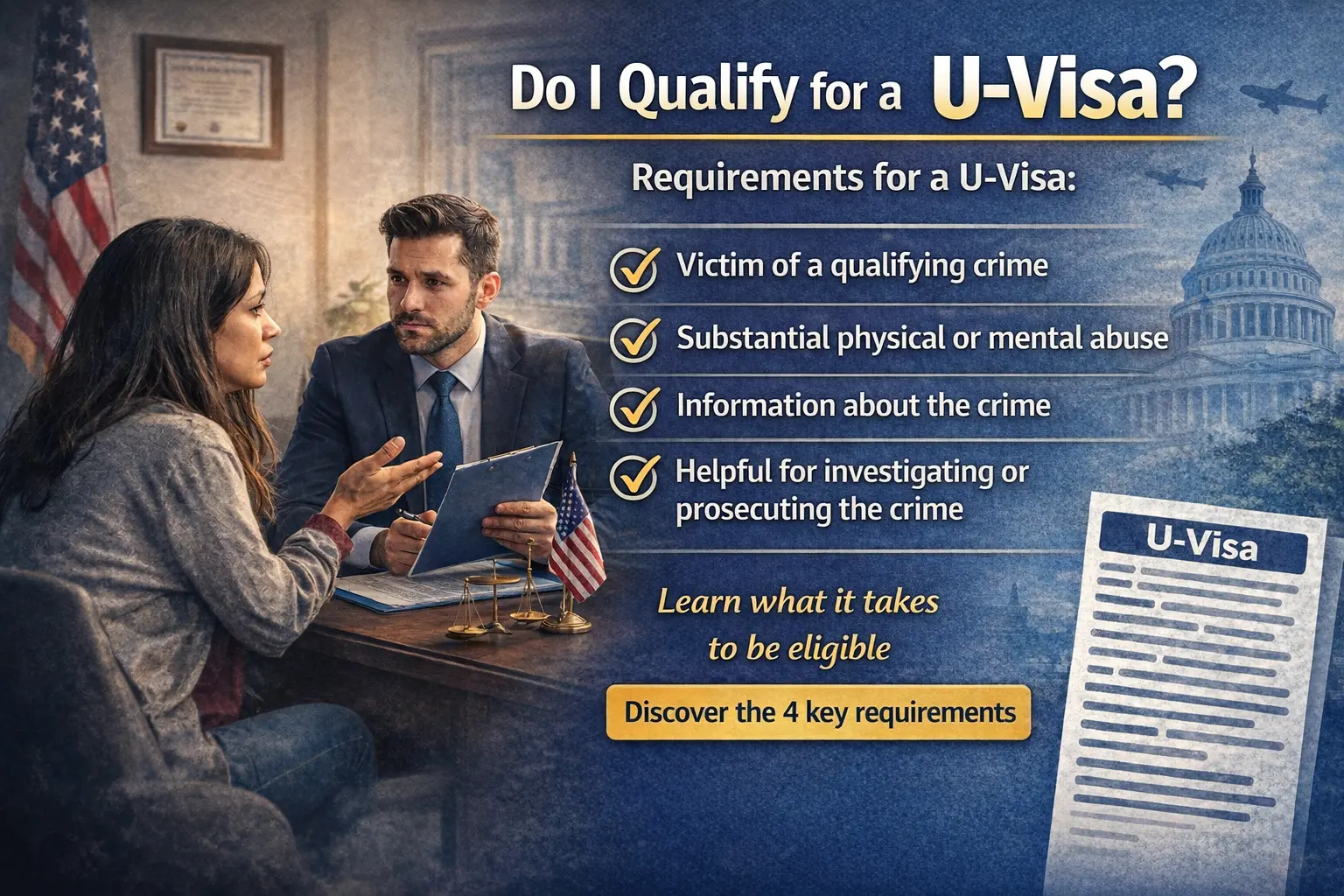
- U visas for crime victims
- T visas for trafficking survivors
- VAWA petitions for victims of domestic violence
These humanitarian programs can provide both protection from deportation and a path to lawful status.
Change of Status
In limited situations, individuals may be able to transition to another nonimmigrant status, such as a student visa.
Voluntary Departure
For some individuals, voluntary departure may be preferable to receiving a formal removal order, depending on future immigration goals.
Every immigration case is unique. The best strategy depends on your history, family relationships, and immigration record.
Frequently Asked Questions
Can I still apply for TPS?
Currently, Lebanon and Yemen have periods where initial TPS registration may still be available depending on USCIS guidance. Always confirm eligibility through official sources.
Can I work without TPS?
Generally no. TPS holders rely on Employment Authorization Documents (EADs) issued through TPS. Once TPS ends, those work permits typically expire.
Does losing TPS mean I will be deported immediately?
No. TPS termination does not automatically result in immediate deportation. However, individuals may become subject to immigration enforcement if they have no other lawful status.
Can TPS terminations be challenged in court?
Yes. Many TPS terminations are currently being litigated in federal courts. Court decisions can temporarily block or reinstate terminations depending on the case.
What happens if I have U.S. citizen children?
Having U.S. citizen children does not automatically grant legal status. However, it may be relevant for certain immigration relief options such as cancellation of removal.
A Changing TPS Landscape: Get Legal Guidance
TPS terminations in 2026 represent one of the most significant changes to humanitarian immigration programs in years. With multiple countries losing protections and court rulings continuing to evolve, TPS holders must carefully evaluate their next steps.
If you currently have TPS, or believe you may lose it soon, speaking with an experienced immigration attorney can help you understand your legal options.
The immigration attorneys at Law Group International assist individuals and families facing complex immigration challenges, including TPS terminations and deportation defense.
Attorneys Khalid and Daniela represent clients across Virginia, Washington DC, and Maryland and can help evaluate whether options such as adjustment of status, humanitarian visas, or other forms of relief may apply to your case.
Call (703) 549-5445 to schedule a consultation with Law Group International and discuss your immigration strategy.
You do not have to navigate these changes alone.
Explore More Immigration Topics
Habeas Corpus and Immigration
March 2, 2026
Green Card Holder Rights at U.S. Ports of Entry
February 28, 2026
75-Country Visa Suspension
February 27, 2026
Public Charge Rule in 2026
February 19, 2026

Know Your Rights with ICE: A Complete Guide
February 17, 2026

VAWA Immigration: Protection for Victims of Domestic Violence
January 28, 2026
U-Visa and Deportation: How This Visa Can Save Your Case
January 19, 2026
U-Visa requirements 2026: Complete eligibility guide
January 13, 2026