


Public Charge Rule in 2026: Complete Guide to the New Changes
The public charge rule is back in the national conversation, and the latest changes could affect millions of immigrants applying for green cards and visas. After years of shifting policies, from the 1999 field guidance, to the 2019 expanded rule, to the 2022 rollback, the Department of Homeland Security has proposed a new framework in late 2025 that may significantly reshape how public charge is evaluated in 2026.
For many immigrants, this raises urgent questions:
- Will using public benefits hurt my case?
- Am I exempt?
- Should I stop receiving assistance?
Misinformation about public charge often causes people to withdraw from benefits they are legally allowed to receive, sometimes putting their families’ health and stability at risk unnecessarily.
This guide from Law Group International explains:
- What the public charge rule actually means
- What has changed in 2026
- Who is affected and who is exempt
- How to protect your immigration case
Public charge is complex, but with the right legal guidance, you can make informed decisions that protect both your family and your future.
What is the Public Charge Rule?
What is the Public Charge Rule?
The public charge rule is a ground of inadmissibility in U.S. immigration law. It allows immigration officials to deny a green card or visa if they determine that a person is likely to become primarily dependent on government assistance.
This concept dates back to the Immigration Act of 1882, but how it is interpreted has changed over time.
Public charge most commonly affects:
- Adjustment of status applicants (Form I-485)
- Immigrant visa applicants at U.S. consulates abroad
It generally does not apply to naturalization (citizenship).
Immigration officers evaluate public charge using a “totality of the circumstances” test, which may include:
- Age
- Health
- Family size
- Income and assets
- Education and skills
- Affidavit of Support (Form I-864)
The key question is not whether you have ever used a benefit, but whether the government believes you are likely in the future to depend primarily on public assistance.
What Changed in 2026? The New Public Charge Rule
As of early 2026, DHS has proposed changes that would expand how public charge is evaluated compared to the 2022 guidance. Because this is a rapidly evolving area, applicants should confirm the current implementation status before filing.
Under the proposed framework, the following benefits may be considered in a public charge analysis:
- Medicaid (with certain exceptions)
- SNAP (food stamps)
- Federal housing assistance, including Section 8
- Supplemental Security Income (SSI)
This marks a shift from the narrower 2022 policy.
Totality of Circumstances Factors
Officers may weigh:
- Income level
- Employment history
- Credit history and debts
- Education and job skills
- Health insurance coverage
Income Thresholds
A key issue is whether applicants meet:
- 125% of the Federal Poverty Guidelines (minimum standard)
- 250% of the Federal Poverty Guidelines (strong positive factor under prior frameworks)
Higher income and stable employment can significantly strengthen a case.
Key Differences from Prior Policies
Compared to the 2019 rule, the proposed 2026 framework:
- Uses a totality test rather than a strict point system
- Still considers multiple public benefits
- Places renewed emphasis on income and self-sufficiency evidence
Compared to the 2022 guidance, it expands the list of benefits that may be reviewed.
Who Does the Public Charge Rule Apply To?
Public charge primarily affects:
- Green card applicants filing Form I-485
- Immigrant visa applicants processing through a U.S. consulate
- Some applicants seeking extensions or changes of status
It does not apply to everyone.
Many immigrants worry about public charge when it does not affect their case. Determining whether the rule applies depends on the specific immigration category.
Who is Exempt from Public Charge?
This is one of the most important sections for many Law Group International clients.
The public charge rule does not apply to:
- Refugees
- Asylees
- U-visa applicants and holders
- T-visa applicants and holders
- VAWA self-petitioners
- Special Immigrant Juveniles (SIJS)
- Certain TPS applicants
- Afghan and Iraqi special immigrants
If you are applying under one of these categories, using public benefits will not trigger a public charge denial.
This is why it is critical to understand your immigration pathway before making decisions about benefits.
How to Protect Your Immigration Case
Document Your Employment and Income
Maintain:
- Pay stubs
- Tax returns
- Employment verification letters
Consistent work history is a strong positive factor.
Understand Which Benefits Matter
Not all benefits are treated the same. Some may be considered, others are exempt, and some depend on your immigration category.
Never stop receiving benefits without first speaking to an immigration attorney.
Affidavit of Support (Form I-864)
A strong sponsor with sufficient income can help overcome public charge concerns.
Prepare for Self-Sufficiency Review
If required, documentation may include:
- Assets and savings
- Health insurance
- Education and job training
Consult an Immigration Attorney
Public charge is highly case-specific. Decisions about benefits should always be made with legal guidance.
The attorneys at Law Group International regularly advise clients on how to structure their cases to minimize public charge risk.
Frequently Asked Questions About Public Charge
Does using Medicaid affect my green card?
It depends on your immigration category and the type of Medicaid. Many applicants are exempt, and certain emergency or pregnancy-related Medicaid may not be counted.
Is the new rule already in effect?
Implementation is evolving. Always verify the current policy before filing your application.
Does public charge affect citizenship?
No. Public charge does not apply to naturalization.
Do benefits received by my U.S. citizen children count against me?
Generally, no. Benefits received by qualifying U.S. citizen children are not considered your benefits.
Can a strong Affidavit of Support help?
Yes. A qualified sponsor can be a significant positive factor.
Should I cancel my benefits?
Do not cancel benefits without speaking to an immigration attorney. You may be exempt.
Get Legal Guidance Before Making Decisions
The public charge rule is complex, and the consequences of misunderstanding it can be severe. Many immigrants harm their own cases by relying on misinformation or by giving up benefits they are legally allowed to receive.
The most important steps you can take are:
- Confirm whether public charge applies to your case
- Understand which benefits are safe
- Document your income and employment
- Seek legal advice before making changes
If you are concerned about how the public charge rule affects your immigration case, the attorneys at Law Group International are here to help.
Attorneys Khalid and Daniela serve clients across Virginia, Washington, DC, and Maryland. They can review your specific situation and help you build a strategy that protects your future.
Call (703)5495445 or schedule a consultation at Law Group International to get personalized guidance.
Your immigration journey deserves accurate information, and a legal team that knows how to protect it.
Explore More Immigration Topics
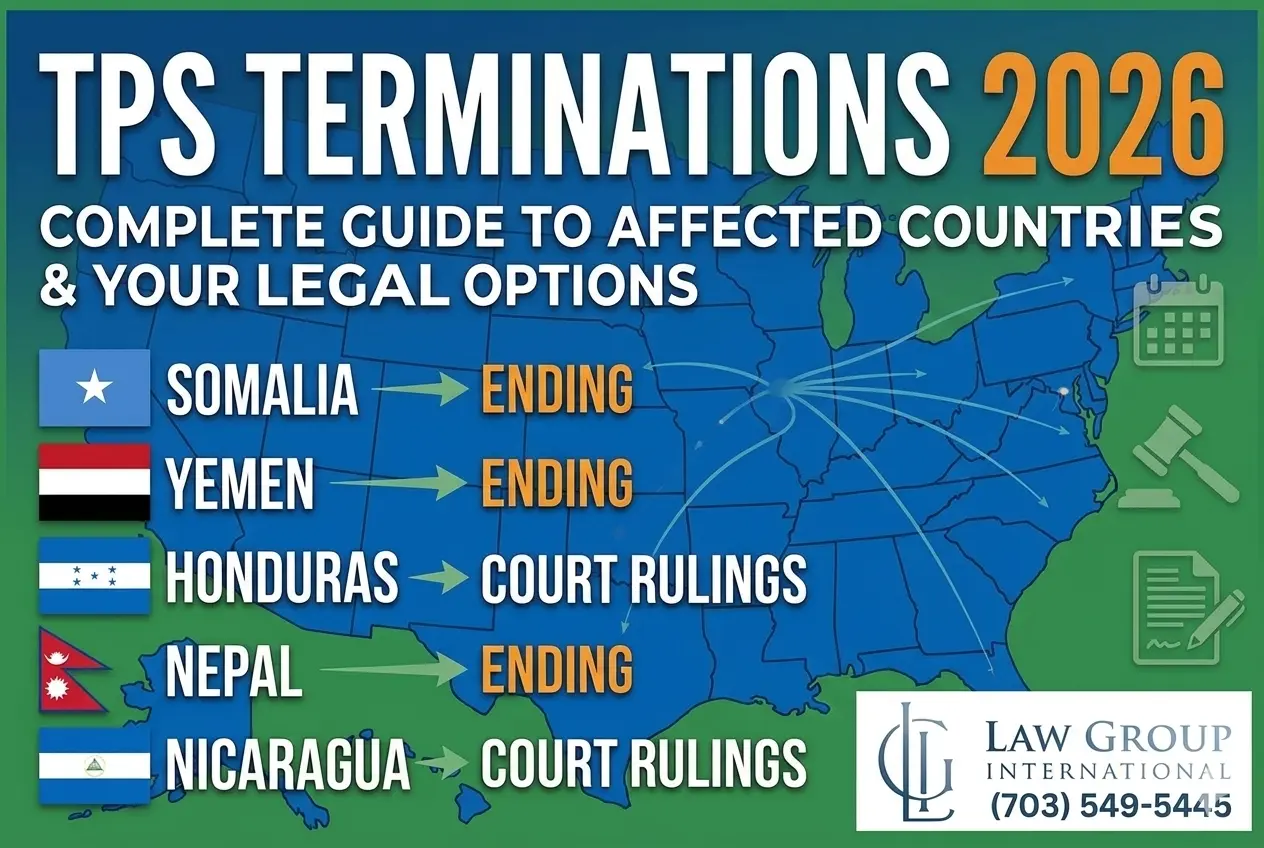
TPS Terminations in 2026
March 9, 2026
Habeas Corpus and Immigration
March 2, 2026
Green Card Holder Rights at U.S. Ports of Entry
February 28, 2026
75-Country Visa Suspension
February 27, 2026

Know Your Rights with ICE: A Complete Guide
February 17, 2026

VAWA Immigration: Protection for Victims of Domestic Violence
January 28, 2026
U-Visa and Deportation: How This Visa Can Save Your Case
January 19, 2026
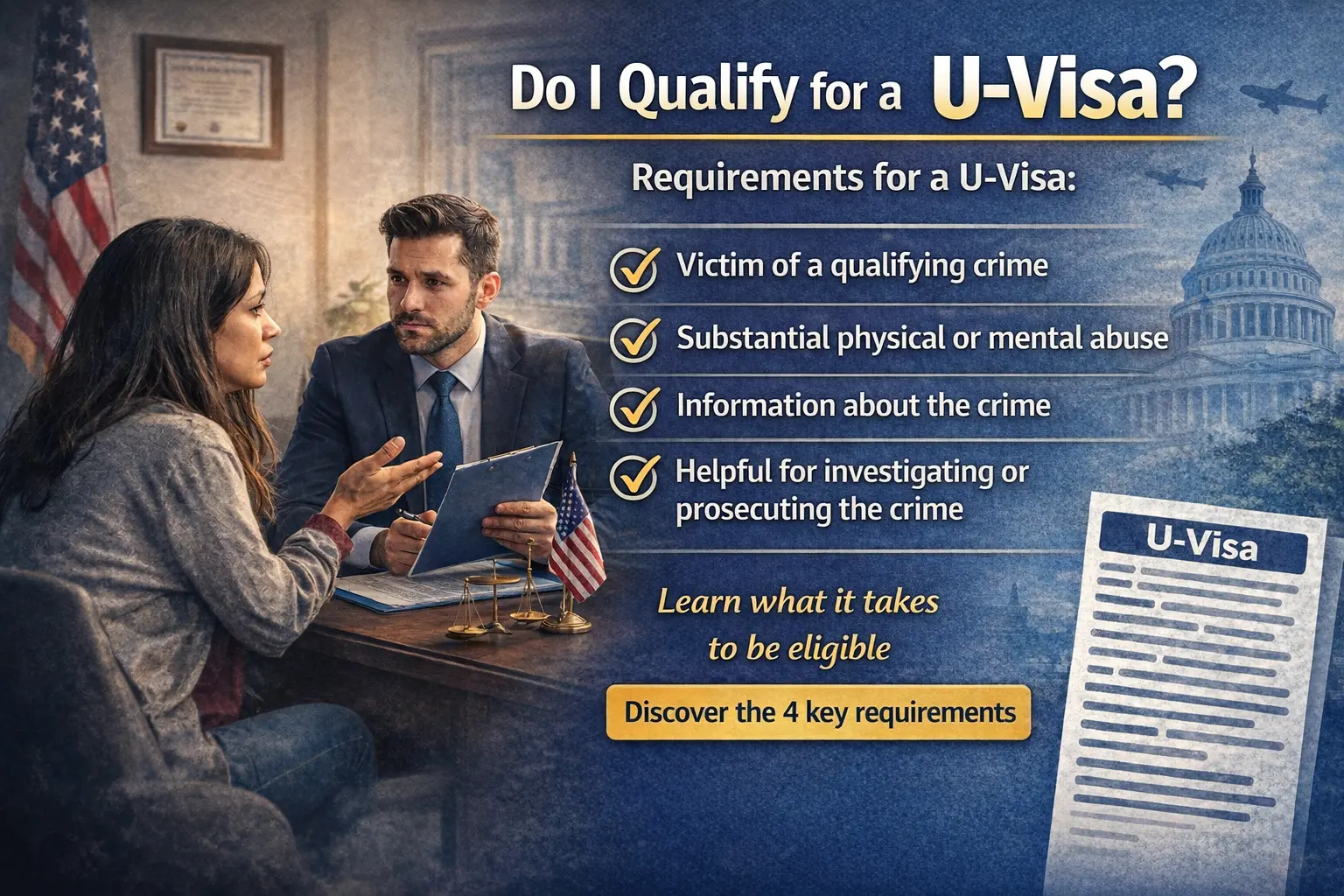
U-Visa requirements 2026: Complete eligibility guide
January 13, 2026